



- June 5, 2026
- By admin
- Electrical Testing
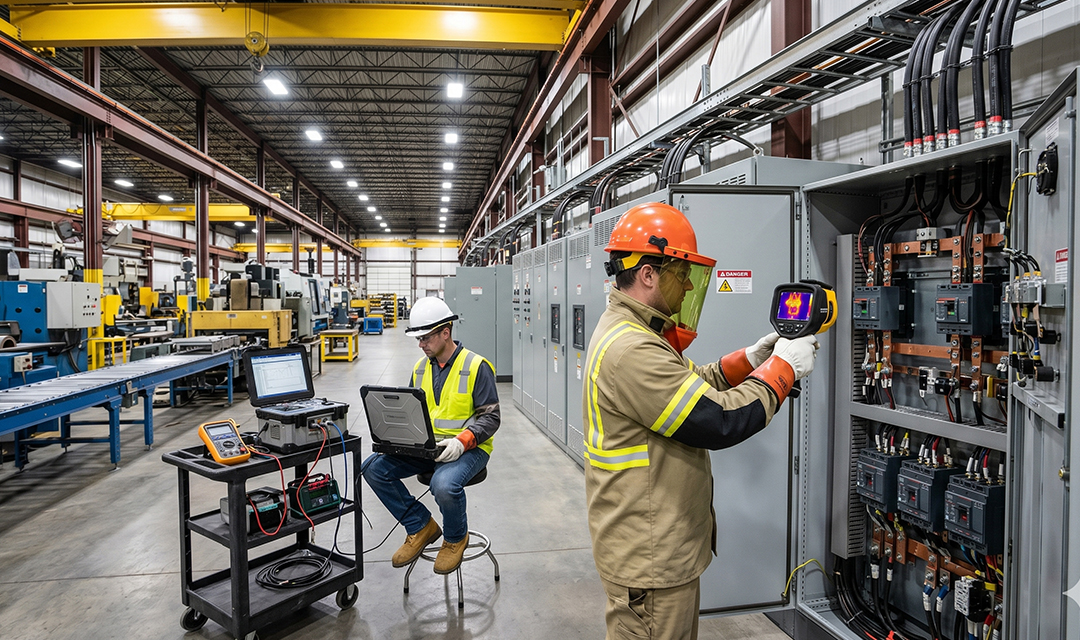
When it comes to the safety and efficiency of industrial facilities, electrical testing services play a crucial role. These services ensure that electrical systems are functioning as they should, minimizing risks associated with equipment failure, downtime, and safety hazards. For industries reliant on high voltage systems, specialized testing, such as high voltage cable testing services, is essential. This guide aims to outline the significance, types, and benefits of electrical testing services for industrial environments.
Understanding Electrical Testing Services
Electrical testing services encompass various assessments designed to measure the performance, safety, and reliability of electrical systems. These services are vital for identifying potential problems before they escalate into costly repairs or hazardous situations. Regular testing not only preserves equipment longevity but also maintains compliance with industry regulations.
Types of Electrical Testing Services
1. Visual Inspections: A fundamental part of any electrical testing process, visual inspections identify obvious issues such as wear and tear, corrosion, and improper installation.
2. Insulation Resistance Testing: This test measures the resistance offered by electrical insulation to prevent current leakage. It is crucial for ensuring that insulation is intact and effective.
3. Continuity Testing: This test checks the continuity of electrical circuits, verifying that electricity flows through the wiring as intended. It helps in identifying broken connections that can lead to equipment failure.
4. Grounding System Testing: Proper grounding is essential for safety. This testing ensures that grounding systems function correctly to prevent electrical shock and equipment damage.
5. High Voltage Cable Testing Services: When dealing with high voltage systems, more stringent testing is necessary. High voltage cable testing services include tests like insulation resistance tests, partial discharge tests, and time-domain reflectometry. These assessments ensure that cables can handle high voltage loads without risk of insulation breakdown or failure.
Importance of High Voltage Cable Testing Services
For industries utilizing high voltage power, the importance of specialized testing cannot be overstated. High voltage cables are susceptible to unique challenges such as thermal and electrical stress. Regular and thorough testing helps detect insulation defects, moisture ingress, or mechanical damage before they cause severe failures. Moreover, many insurance companies require proof of regular testing to comply with safety regulations and to manage risk effectively.
Benefits of Electrical Testing Services
1. Safety Assurance: One of the most significant advantages of electrical testing services is the assurance of safety for both workers and equipment. Identifying potential issues early on can prevent accidents and create a safer working environment.
2. Cost Efficiency: By regularly conducting electrical testing, facilities can avoid unexpected costs related to equipment failure, downtime, and safety incidents. Routine testing allows for proactive maintenance, which can be more cost-effective over time.
3. Regulatory Compliance: Many industries must adhere to strict regulations regarding electrical safety. Regular electrical testing services help ensure compliance with these regulations, avoiding fines and penalties.
4. Extended Equipment Life: Regular testing helps in maintaining the health of electrical systems, which can extend the life of complicated equipment. This aspect is vital for industries aiming to maximize their capital investments.
In conclusion, investing in electrical testing services, especially high voltage cable testing services, is essential for the safe, reliable, and efficient operation of industrial facilities. By ensuring thorough testing and maintenance, companies can safeguard their workers, comply with regulations, and protect their investments. Embracing these services is not just a wise decision but a necessary one for the long-term success of any industrial operation.